Motor winding faults can be difficult to separate from wider site symptoms. A motor may trip, lose power, run hotter than expected or start behaving inconsistently under load, but the visible issue is rarely the whole story. The challenge is knowing when those symptoms point to deterioration inside the motor rather than a wider operating issue. In this article, we look at the warning signs that can justify professional electric motor winding repair before damage spreads further or failures repeat.

But First, What Do Electric Motor Winding Repairs Involve?
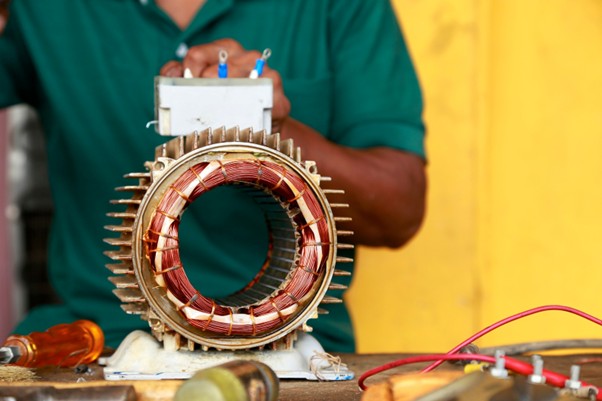
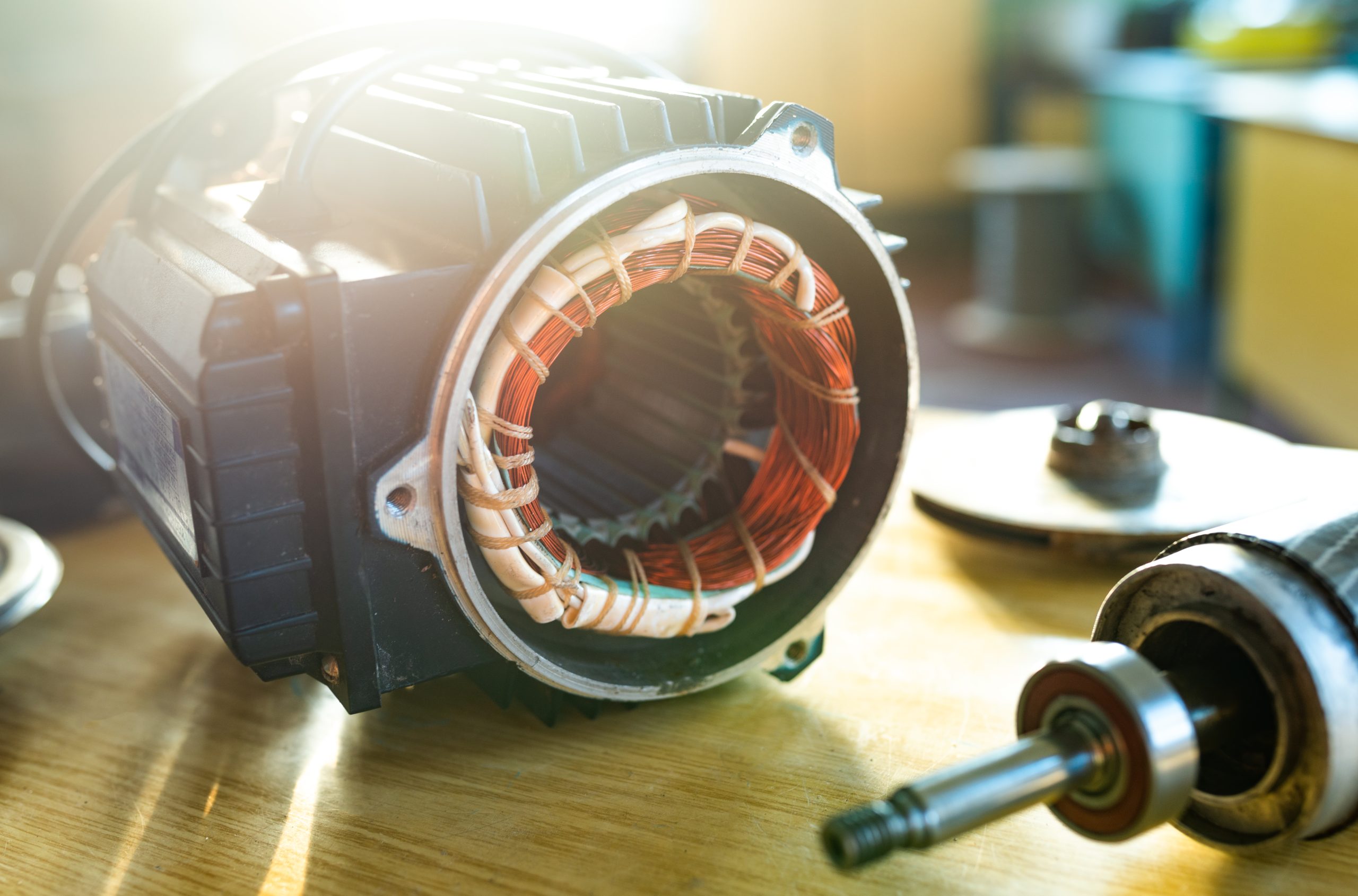
Electric motor winding repairs deal with faults in the coils that create the magnetic field required for motor operation. When those coils or their insulation deteriorates, the motor can lose efficiency, trip, overheat, draw irregular current or show visible signs of damage. The correct repair route depends on testing. Some motors may need localised repair. Others may need rewinding, where the damaged windings are removed and replaced with new ones that match the original design specification, restoring the motor’s electromagnetic performance. In some cases, the condition of the motor may make replacement the better option.
A full motor repair typically goes beyond the winding itself. Alongside rewinding or localised coil repair, a thorough service usually includes inspection, bearing replacement, cleaning and alignment checks, so that the motor is returned to service in a condition that matches or exceeds its original performance rather than simply fixing the fault that was reported.
Sign 1: Persistent Overheating
A motor that repeatedly runs hotter than expected should be investigated. Heat can weaken winding insulation, and damaged insulation can make the motor more vulnerable to further electrical stress.
The cause still needs to be confirmed, however. Load, ventilation, blocked cooling paths and driven equipment condition can all affect operating temperature.
Sign 2: Repeated Tripping Or Protection Faults
Circuit breaker trips, insulation resistance failures and irregular current draw can all point towards electrical deterioration. These faults may start intermittently, which makes them easy to reset without further action. Repeated protection events should be taken seriously, as they may indicate that the motor is no longer operating within acceptable electrical limits. Testing should establish whether the issue sits in the winding, the supply, the control system or the load.
Sign 3: Reduced Performance Under Load
A winding fault can affect the motor’s ability to produce steady torque. If the motor slows, stalls, struggles during normal duty or runs unevenly, winding condition should be included in the investigation. This sign should be treated carefully because similar behaviour can come from mechanical drag, supply issues or the driven machine.
Sign 4: Burning Smells Or Visible Insulation Damage
A burning odour, discoloured windings, cracked insulation or visible heat damage needs prompt inspection, as these signs suggest that the motor has already been exposed to damaging thermal or electrical stress.
Sign 5: Unusual Humming, Vibration Or Noise
Electrical faults can change how a motor sounds and runs. A noticeable hum, uneven running sound or vibration that does not match obvious bearing or alignment problems may justify electrical testing. This is where winding faults can be mistaken for mechanical issues if you’re not careful. Testing helps separate the two before the wrong repair route is chosen.
Sign 6: Rising Energy Use Without A Load Change
If the motor draws more power for the same output, winding inefficiency may be one explanation. Load, process demand and operating settings should also be checked, but unexplained increases deserve attention. The next step is to confirm the motor’s electrical condition. Inspection and testing should show whether repair, rewind or replacement is the right decision.
Why Testing Matters More Than Guesswork
Because several of these signs can also be caused by mechanical, supply or process issues, the biggest risk is treating a symptom without confirming its source. A motor replaced or repaired based on assumption alone may leave the actual fault untouched, which means the same trip, overheating or vibration issue can return within weeks. Static and dynamic testing, load testing and insulation resistance testing give engineers a measured basis for deciding between localised repair, full rewind or replacement, rather than relying on how the motor looks or sounds in isolation.
This distinction also matters for cost. A rewind is often significantly cheaper and faster than sourcing a replacement motor, particularly for larger or older units where lead times on new equipment can run into weeks. Testing before deciding is what makes that comparison possible, since it confirms whether the existing motor’s frame, bearings and mechanical components are still fit to carry a new winding.
Find Out More
Electric motor winding repairs problems should be investigated before heat, tripping or insulation damage turns into full failure. RJW carries out full testing in-house, so the repair route is based on evidence rather than guesswork. Please call us to discuss the symptoms you are seeing in your facility and we’ll recommend the most suitable testing options.
Image Source: Envato