Introduction: Predictive Maintenance And Strategic Motor Repair – The Two Keys To Continuous Operation
Unplanned downtime is one of the most persistent challenges faced by UK manufacturing businesses. Despite significant investments in traditional maintenance systems and processes, many facilities still struggle to optimise their processes sufficiently to maintain continuous operations.
A truly proactive approach, however, can transform these challenges into opportunities for improved performance and productivity.
By integrating advanced Predictive Maintenance (PdM) with Strategic Motor Repair, manufacturers can create a “Proactive Plant”. This is a facility optimised for consistent output, predictable uptime, and strong service delivery.
What Are Strategic Motor Repair And Predictive Maintenance, And How Do They Work Together?
Strategic Motor Repair refers to a planned, resource-smart approach to motor maintenance and repair. It aligns with predictive maintenance insights and operational goals.
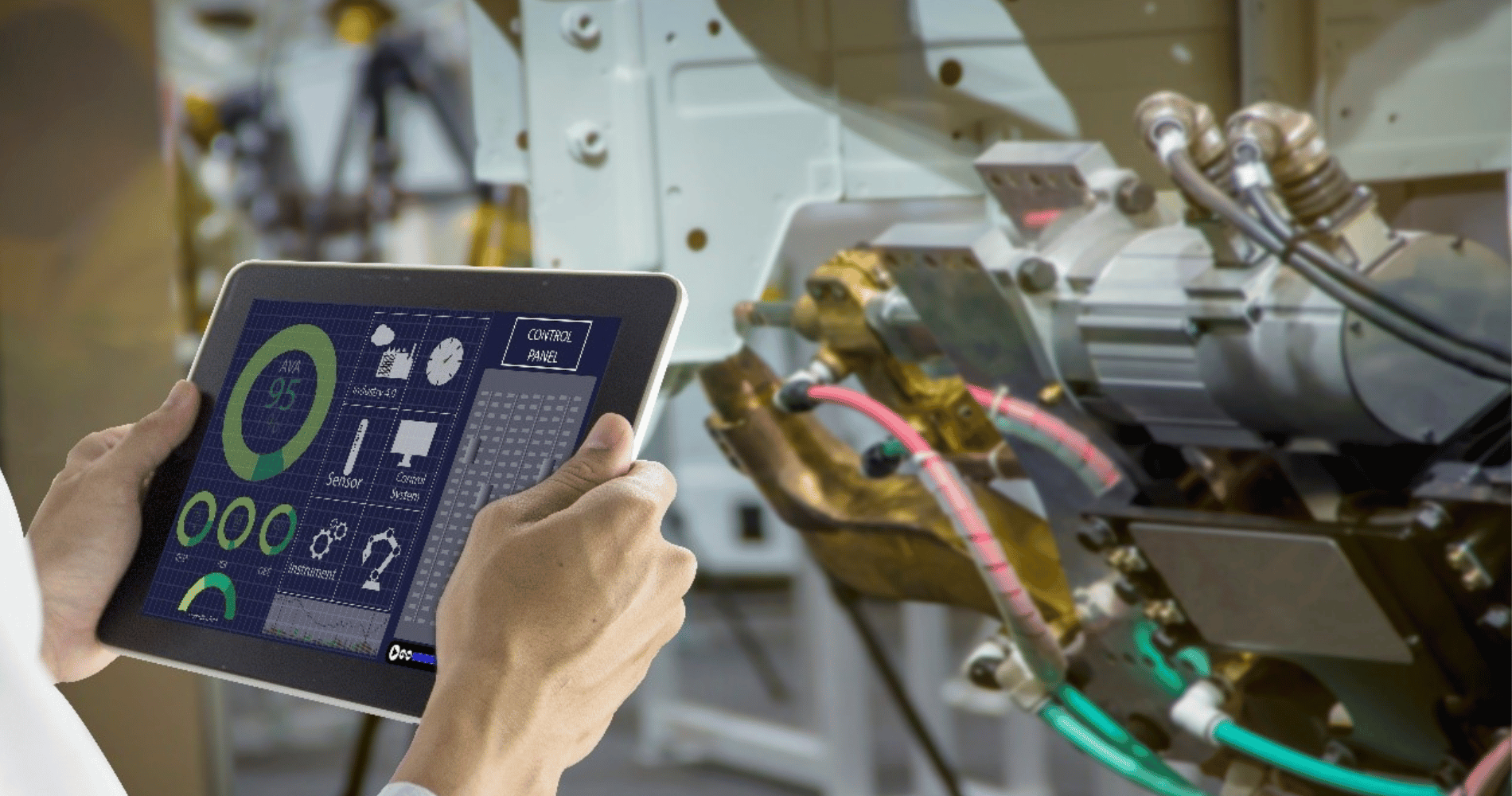
Predictive Maintenance (PdM) is a proactive maintenance strategy that uses real-time data, advanced analytics, and monitoring technologies to predict when equipment is likely to fail. By identifying potential issues before they progress, PdM allows precise, planned interventions. This reduces unplanned downtime and extends the lifespan of critical assets.
Unlike reactive repairs in response to shutdowns or ad hoc issues, which are often rushed and costly, strategic motor repair focuses on addressing potential issues before they escalate into critical failures. This ensures minimal disruption to production.
The key elements of this approach include:
- Proactive Planning: Repairs are scheduled during planned downtimes based on data from predictive maintenance (e.g., vibration analysis, thermal imaging).
- High-Quality Standards: Repairs are performed to OEM specifications, ensuring reliability and extending motor lifespan.
- Cost Efficiency: By avoiding emergency repairs and unplanned downtime, strategic motor repair reduces overall maintenance costs.
- Operational Continuity: Motors are restored to peak performance, supporting consistent production and reliable output.
For many of our customers, strategic motor repair is a critical component of achieving continuous operations. It reduces stress and helps maintain a competitive edge in demanding industrial environments, as you will see in this guide.
RJW Engineering, with nearly 80 years’ trading experience, is your expert partner in constructing this forward-thinking operational model. Combining cutting-edge PdM techniques with precision repair services, we ensure your critical assets perform reliably and efficiently.
Let us explore how this powerful integration sets the foundation for continuous operations.
What Is Continuous Operation and Why Does It Matter?
For a manufacturing plant, achieving continuous operations means more than simply avoiding breakdowns.
It also creates an environment in which processes, personnel, and resources work in harmony to deliver optimal results consistently and repeatably. Here are the core components of continuous operations:
1. Predictable Uptime
Predictable uptime is the cornerstone of a well-functioning facility. By minimising unscheduled stops, production schedules remain more consistent. This allows a predictable and seamless operation.
This predictability enables better resource planning. It helps align workforce availability and shift capacity, material supply, and logistics with your production needs. It also reduces the stress of last-minute adjustments.
Predictable uptime is achieved through proactive maintenance strategies like Predictive Maintenance (PdM) and Condition Monitoring (CM). These approaches identify potential issues before they cause disruptions.
For example, detecting the early signs of motor misalignment or bearing wear allows planned interventions during scheduled downtime. This avoids the expense and inconvenience of unplanned emergency repairs.
2. Optimised Asset Performance
When machinery operates efficiently and reliably, it boosts productivity and reduces operational strain.
Timely maintenance means interventions are carried out at the perfect time to minimise damage and sustain throughput. This helps ensure that equipment runs at peak performance, minimising energy consumption and wear and tear.
As a result, the operational lifespan of your critical assets is extended. This delays the need for upgrades and replacements.
Optimised asset performance also enhances overall plant efficiency. A well-maintained motor, for instance, will produce fewer vibrations and less waste heat. This reduces the risk of collateral damage to connected systems.
This optimisation translates into smoother workflows, fewer bottlenecks, and a more predictable production environment.
3. Controlled Costs
Emergency repairs are not only expensive but also disruptive. Proactive maintenance strategies significantly reduce the need for such interventions by addressing key issues before they escalate.
This approach lowers your overall maintenance spend and the lifetime cost of individual assets. Planned repairs are typically more cost-effective than reactive fixes.
Controlled costs also allow better budget allocation. Instead of diverting funds to crisis management, manufacturers can invest in long-term improvements. These might include upgrading equipment, training staff, or implementing advanced monitoring technologies.
4. Proactive Problem Solving
Proactive problem solving shifts the focus of maintenance teams from knee-jerk reaction to preventing issues altogether. By using data from integrated PdM and CM systems, potential failures are identified at an earlier stage. This allows for timely interventions.
This approach prevents cascading disruptions and helps avoid minor issues snowballing into major crises.
For example, detecting a slight increase in vibration levels in a motor can prompt an inspection that reveals a loose coupling. Addressing this issue immediately prevents further damage, such as misalignment or bearing failure, which could lead to extended downtime.
5. Reliable Output
Consistent equipment performance is critical for maintaining high-quality output and meeting production targets.
When machinery operates reliably, manufacturers are better equipped to deliver products on time. This increases customer satisfaction and strengthens business relationships.
Reliable output also reduces wastage and rework, as well-maintained equipment typically produces fewer defects. This consistency is particularly important in industries with stringent quality standards, such as food processing or pharmaceuticals.
By keeping production lines running smoothly, manufacturers can uphold their reputation for quality and reliability.
The Proactive Plant is not built overnight. However, with the right tools, processes, and partners like RJW, it becomes a highly achievable goal for any business.
How to Achieve Continuous Operation: 4 Steps to Successful Implementation
Creating a Proactive Plant hinges on adopting a holistic, forward-thinking approach to maintenance and operational integrity. How is this achieved in practice? This section breaks down the four key steps.
Step One: Predictive Maintenance (PdM) for Early Detection
Predictive Maintenance revolutionises equipment management by using data-driven insights to predict when failures are likely to occur. This reduces unnecessary interventions and the associated costs.
How it works:
Predictive Maintenance uses techniques such as vibration analysis, thermal imaging, and oil analysis to track the condition of motors and other rotating equipment. Motors and rotating equipment are particularly suited to PdM, since their performance can degrade silently before failure.
For example:
Vibration analysis identifies developing bearing wear in a key motor on a production line. The data indicates the problem weeks before potential failure, allowing for a scheduled replacement.
By proactively addressing the issues identified by PdM, downtime is transformed from an unpredictable liability to a carefully managed exception.
Step Two: Strategic Motor Repair
While PdM provides the foresight to detect potential issues, Strategic Motor Repair focuses on resolving them effectively before they impact operations.
In practice, Strategic Motor Repair and PdM are two sides of the same coin, each needing the other for success. Strategic Motor Repair involves implementing planned, high-quality motor maintenance actions based on PdM insights. It returns components and assets to optimal performance.
How does this contrast with conventional, reactive repair strategies?
Reactive repairs use an “if it ain’t broke, don’t fix it” philosophy. Assets are left to get on with their business unless an obvious fault is detected. When this happens, faulty components are repaired or replaced.
The problem with this approach is that it often results in rushed jobs, subpar quality, and extended downtime. These are risks that the proactive model avoids entirely.
Many businesses find that once one component malfunctions and is replaced, other faults quickly follow. This compounds the inconvenience, downtime, and expense of the original repair.
For example:
PdM data predicts that a motor needs refurbishment. During a planned shutdown, the motor is sent to RJW for servicing. Technicians restore it to its original specifications with new bearings and rewinds, returning it quickly to minimise production impact.
This is in stark contrast to a panicked and rushed repair while production lines grind to a halt.
Step Three: The Power of Integration – PdM Informs Strategic Repair
The true value of PdM and Strategic Motor Repair lies in their seamless integration. Together, they form a closed-loop system where data drives maintenance actions, turning insights into results.
PdM identifies potential failures, while Strategic Motor Repair addresses these issues before they escalate. Each process reinforces the other, creating a robust framework for continuous operations.
This benefits you in several ways:
- Minimised downtime through precise scheduling.
- Increased reliability due to targeted, high-quality repairs.
- Better-informed decision-making enabled by concrete data.
For example:
PdM flags an abnormality in a motor’s vibration levels. Your engineering team receives the data, diagnoses the issue remotely, and plans a swift repair. The motor is refurbished to its original specifications and returned to service well before it could impact production.
This collaborative approach allows assets to be managed proactively, preventing expensive and disruptive failures.
Step Four: Cultivating a Proactive Culture
Achieving continuous operations requires more than just technology. It also demands a change in mindset and culture.
Everyone in the organisation, from operators to engineers, must move from a reactive “fix it tomorrow” mindset to a proactive maintenance and operational culture.
Developing a proactive culture can take time and effort. However, it is the key to embedding continuous improvement into every aspect of operations.
What this means in practice:
- Smart data utilisation: Collect, analyse, and act on PdM data to drive decision-making.
- Skilled partnerships: Work with internal stakeholders and experienced maintenance partners, such as RJW, to increase the quality and reliability of your strategy.
- Continuous improvement: Regularly review strategies to optimise results and adapt to new challenges.
What Could Go Wrong? Common Integration Challenges and How to Overcome Them
The integration of Predictive Maintenance (PdM) and Strategic Motor Repair offers transformative benefits. However, the process is not without its challenges. Understanding and addressing these common pitfalls is essential for a successful transition.
Challenge #1: Data Overload Without Action
Modern PdM systems generate vast amounts of data, from vibration readings to thermal imaging results. However, collecting data is only the first step. Without a clear plan to analyse and act on this information, the data can become overwhelming and ineffective.
Solution:
Focus on actionable insights by isolating the key performance indicators (KPIs) that align with your operational goals. The following steps can help:
- Use dashboards and automated alerts to prioritise critical issues.
- Ensure maintenance teams can respond promptly and effectively.
- Regularly review data trends to refine maintenance strategies and prevent information overload.
Challenge #2: Still Relying on Reactive Repairs
Even with PdM in place, some organisations fall back on reactive repair practices out of habit or convenience. They address issues only after they cause disruptions. This undermines the proactive approach and perpetuates inefficiencies.
Solution:
Commit to fully and systematically replacing reactive methods with proactive strategies. Develop a maintenance schedule based on your PdM insights. Make sure that repairs are planned and executed during scheduled downtimes.
Educate your teams on the long-term benefits of proactive maintenance, such as reduced costs and improved reliability. This helps encourage buy-in across the organisation.
Challenge #3: Lack of Skilled Support Partners
High-quality motor repair requires expertise and precision. Without access to experienced internal engineers or an aligned third party, such as RJW, repairs may be substandard. This can lead to recurring issues and reduced equipment reliability.
Solution:
Partner with a trusted service provider who specialises in motor repair and has a proven track record of success.
In particular, look for a partner who can:
- Deliver repairs to OEM specifications.
- Provide detailed documentation.
- Offer rapid turnaround times for repairs.
Building strong relationships with a skilled partner gives you the peace of mind that your assets are in capable hands.
Challenge #4: Budget Misallocation
Proactive maintenance and repair strategies often require upfront investments in technology, training, process development, and external partnerships.
However, the perception of high initial costs by directors and other senior decision-makers can lead to underfunding or delayed implementation. This forces organisations to rely on reactive measures that are ultimately more expensive in the long term.
Solution:
Build a comprehensive business case that demonstrates the long-term ROI of proactive investments. Use data drawn from your own operations, and industry benchmarks, to show the cost savings you can expect from reduced downtime, extended equipment lifespan, and improved efficiency.
Start with critical assets first to demonstrate quick wins. Gradually expand the programme as results validate the initial investment.
Challenge #5: Internal Resistance and Lack of Buy-in
Shifting from reactive to proactive maintenance requires a decisive cultural change. This can be met with resistance or scepticism from employees accustomed to more traditional methods.
Concerns about increased workloads, unfamiliar technologies, or job security can also hinder progress. This resistance may be overt, or it may be more subtle. For example, some individuals or teams may accept the changes in principle but hinder them through lack of adoption or full buy-in.
Solution:
Clearly and transparently communicate the benefits of the proactive approach at an organisational, team, and individual level. Involve employees in the transition process by providing the appropriate training, addressing concerns, and celebrating early successes.
Highlight how the new strategies reduce stress and improve job satisfaction by minimising emergency repairs. This creates a more predictable work environment.
However, it is also important to honestly address the challenges that individuals and teams might face during implementation. These include short-term and long-term changes to routines, habitual practices, and job specifications. Transparency can help avoid staff becoming discontented or leaving due to a mismanaged change project.
By addressing these challenges head-on, organisations can unlock the full potential of PdM and Strategic Motor Repair. A proactive approach not only enhances operational efficiency but also fosters a culture of continuous improvement, facilitating greater long-term success.
What Next?
At RJW, we combine cutting-edge PdM technology with our trusted motor repair capabilities to keep your critical assets performing at their best.
Established in 1946, RJW Engineering is one of the UK’s leading independently owned engineering services companies. We offer a comprehensive range of electrical, mechanical, and electronic services to manufacturing businesses throughout the country.
Our solutions range from traditional emergency repairs to cutting-edge predictive maintenance and bespoke motor manufacturing. With 24/7/365 availability and a proven commitment to operational excellence, our team supports some of the UK’s largest industrial organisations.
We help increase reliability, efficiency, and global competitiveness.
Ready to Transform Your Plant into a Model of Continuous Operation?
Please contact RJW today to explore personalised solutions that will integrate advanced PdM and reliable motor repair into your operation strategy.