Predictive maintenance only becomes useful when the data behind it is reliable enough to support real decisions. Without that foundation, your teams can end up reacting to alarms, assumptions or incomplete service histories. A condition monitoring system gives the process a practical structure. Read on as we show how monitoring turns asset behaviour into maintenance planning and repair priorities across your critical assets.”

What Does A Condition Monitoring System Consist Of?
A condition monitoring system is the technical setup that collects, organises and presents equipment data so that maintenance engineers can judge how an asset is changing over time. It may include fixed sensors, portable diagnostic readings, gateway devices, reporting software, alert rules, inspection records and maintenance history. The system is not just the sensor on the machine, but also includes the full route from measurement point to engineering decision, such as where the reading is taken, how often it is captured, how it is stored, how it is compared, and who acts on the result.
Benefits Of Condition Monitoring
This process assists predictive maintenance decisions in several ways:
Capturing The Right Signals From Each Asset
Predictive maintenance depends on collecting signals that relate to the way the asset can fail. On rotating equipment, that may include vibration amplitude, frequency patterns, bearing temperature, motor load, running hours and electrical performance. For motors, electrical readings may need to sit alongside mechanical data because a change in current draw, insulation condition or temperature can alter how the asset should be assessed. The technical value of condition monitoring comes from combining readings that would be weaker in isolation. A rise in vibration has one meaning if temperature and load remain stable, but it may suggest something different if the same asset is also drawing more current or running hotter than usual.
Some faults are also easier to see than to measure with a single point sensor. Motion amplification technology, for example, uses video processing to turn every pixel in a camera’s view into a measurement point, making it possible to visualise misalignment, looseness, bent shafts or structural movement across a whole asset rather than relying on one fixed reading location. This kind of visual data can add valuable context to a vibration trend, particularly on complex assemblies where the source of a fault is not obvious from numbers alone.
Turning Raw Readings Into Usable Engineering Information
A condition monitoring system has to do more than collect numbers. Raw readings need context before they can support predictive maintenance. For instance, your engineers need to know the asset type, duty, normal operating range, recent repair history and whether the reading was taken during start-up, steady operation or a changing load condition. This is where baselines, limits and trend views become important. A condition baseline shows how the asset normally behaves. Limits help identify readings that move outside an acceptable range. Trend views show whether the change is sudden, gradual or recurring. Each of these functions helps prevent the predictive maintenance team from treating every abnormal reading with the same level of urgency.
A cloud-based asset management platform is what makes this practical at scale. Rather than holding vibration, thermal, oil and inspection data in separate systems, a single database lets engineers view an asset’s full condition history in one place and spot when several readings are moving together.
Prioritising Faults By Severity And Consequence
A well calibrated condition monitoring system helps separate technical abnormality from operational priority. A small change on a production-critical pump may need faster attention than a larger change on a standby asset. Equally, a high vibration reading may be less urgent if it is stable and understood, while a lower reading that is rising quickly may require investigation.
This is where predictive maintenance becomes more disciplined thanks to condition monitoring. The system should help engineers rank issues by severity, rate of change, asset criticality and repair consequence. That ranking supports better decisions on inspection timing, spare parts, access planning and whether the asset can continue running until a planned maintenance window.
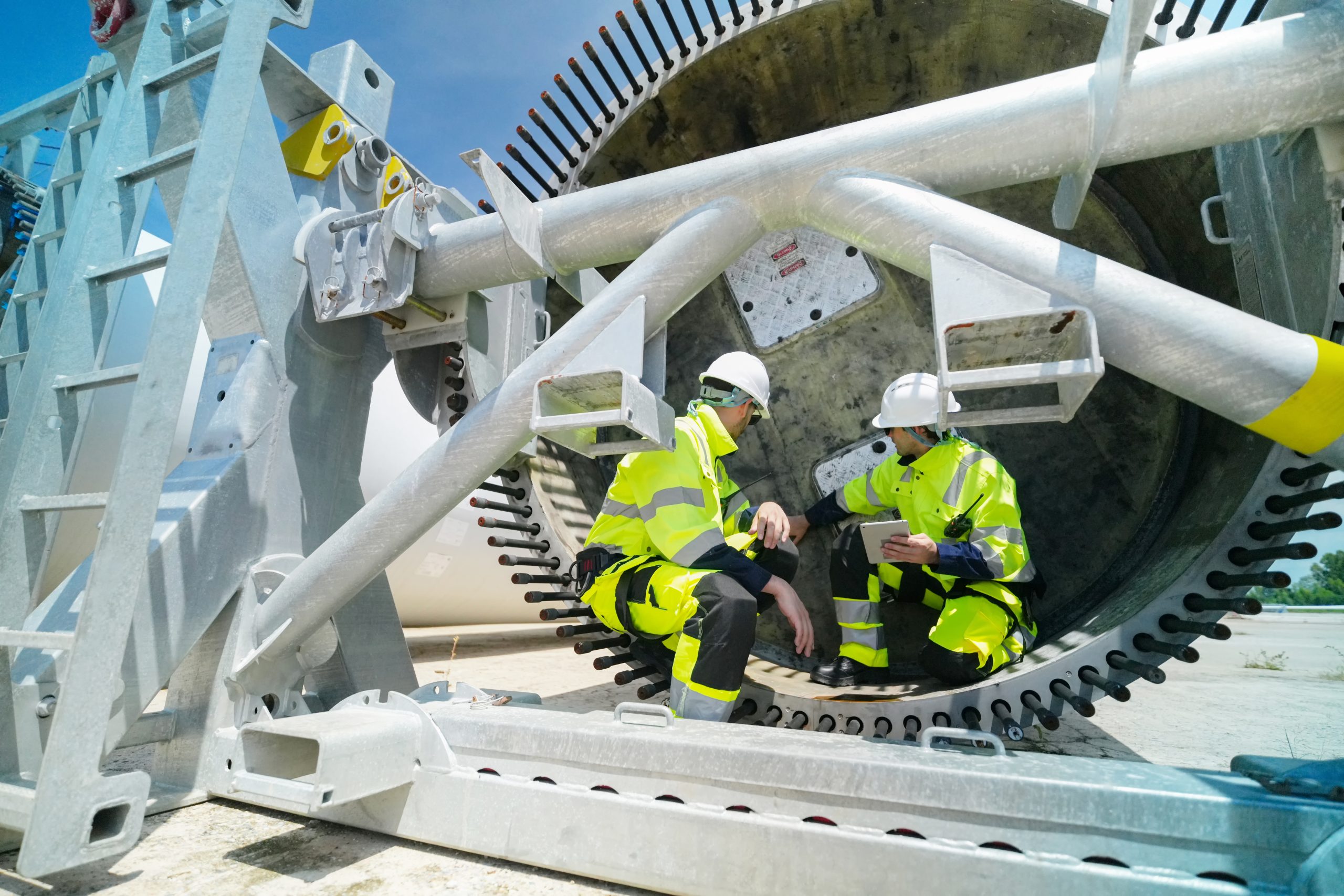
This ranking matters most for assets that are hard or hazardous to reach in person, such as offshore wind and hydro generators. Remote telemetry monitoring allows condition data to be gathered continuously from these locations, so a developing fault can be flagged and prioritised long before a site visit would otherwise catch it.
Checking The Asset After Intervention
Post-repair readings are another critical part of the system. After alignment, bearing replacement, motor repair or other corrective work, new measurements should be compared with the pre-repair condition. This shows whether the intervention changed the behaviour that triggered the investigation. If readings return to the expected range, the repair has stronger technical support. If the same pattern remains, engineers can continue the fault investigation before the issue develops again. In that sense, a condition monitoring system supports predictive maintenance by creating a closed technical record: measure, compare, prioritise, act and confirm.
Contact Us
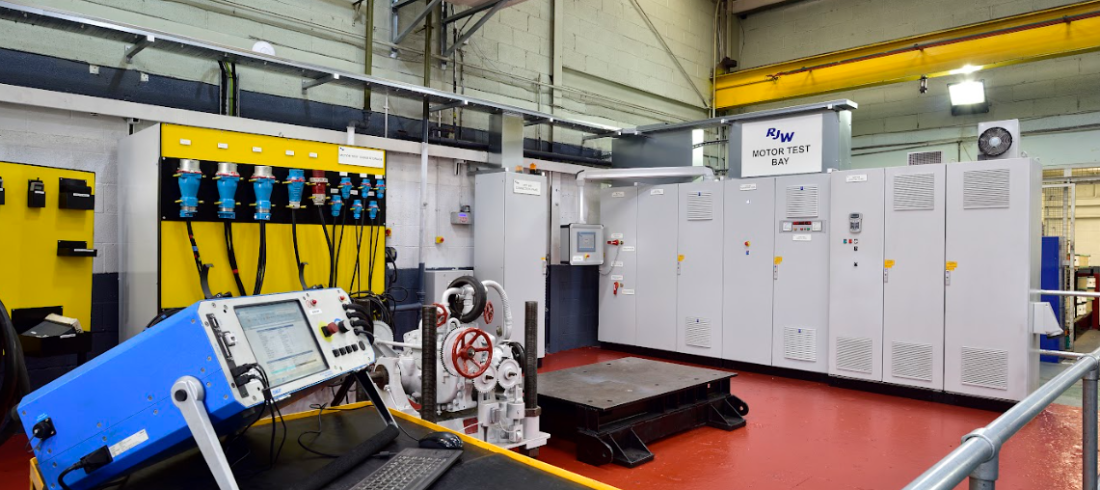
A condition monitoring system should help your maintenance team make better decisions, not just collect data. RJW’s Reliability Department combines vibration analysis, thermal imaging, motion amplification and remote telemetry with the Machine Sentry cloud-based platform to turn asset data into a practical predictive maintenance process. Speak to one of our experts today about building monitoring into your facility.

Image Source: Envato