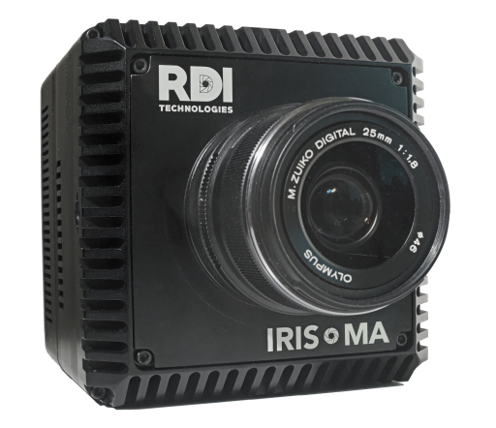
Motion amplification uses video to make tiny machine movements visible, so engineers can see vibration, looseness, misalignment or structural movement that would normally be missed during a standard inspection. Instead of working only from readings, teams can watch how the asset behaves while it runs. That makes the technique especially useful when the goal is not just to confirm that something is wrong, but to show where the abnormal movement starts and how it travels through the machine or structure.

Why Is Motion Amplification Important?
Motion amplification is important because the source of abnormal movement is not always where the highest vibration reading is taken. A pump bearing housing, motor foot or fan casing may show abnormal behaviour, while the underlying cause sits in the baseplate, pipework, frame or support structure. That distinction matters, because replacing the part with the strongest reading will not solve the issue if the machine is still being forced to move in the same way.
In practice, this means motion amplification can prevent maintenance teams from chasing the symptom instead of the cause. It gives engineers a clearer picture of how the whole asset behaves, rather than relying on a single measurement point. That is especially useful on rotating equipment, connected pipework, skids and other installations where movement can travel through the system and show up in the wrong place.
How Does Motion Amplification Work?
Motion amplification uses camera-based technology and software processing to make very small movements visible on screen. The technology makes very small movements visible and measurable, with the camera and software helping engineers review displacement, deflection and vibration that the human eye cannot normally see. This allows engineers to review the asset while it is operating and compare behaviour across several connected parts at the same time.
The specific equipment used is a camera-based video system supported by software, which makes tiny movements visible and measurable. In the wider reliability toolkit, this sits alongside vibration analysis tools, thermal imaging cameras, laser alignment equipment and balancing facilities. Used together, these tools help build a more complete picture of the machine condition and reduce the chance of incomplete diagnosis.
Where Motion Amplification Analysis Adds Value
Motion amplification analysis is especially useful when conventional vibration checks confirm a problem but do not fully explain it. For instance, a motor may appear to be the source because vibration is recorded there, while video analysis shows movement beginning at a loose mounting, flexible pipe run or structural support. This wider view helps engineers separate the component showing the symptom from the condition causing it.
Because it is non-contact, motion amplification can often be used without dismantling assemblies too early or fitting sensors to every suspected point. That makes it a fast, practical option when a team needs to understand what is happening on a running machine before deciding on the next step. Its value is not in replacing other diagnostic methods, but in pointing them in the right direction.
Reducing Unnecessary Strip-Down
One of the biggest benefits is that motion amplification can reduce unnecessary strip-down. If the footage shows that the problem begins in the frame, pipework or mounting arrangement, engineers can focus their follow-up testing on the real source of movement instead of opening up the wrong component first. That can save time, reduce disruption and avoid wasting labour on work that does not solve the issue. It also helps maintenance teams avoid making assumptions based on appearance alone.
A machine may sound or feel like it is failing in one area, but the video may reveal that the true problem is caused by a support issue elsewhere. That makes motion amplification particularly valuable for repeat vibration problems, where previous repairs have not fully solved the root cause.
Making Repair Decisions Easier To Justify
A further benefit is communication. Vibration plots and frequency data are useful, but they can be difficult to explain quickly outside the reliability team. A short video showing movement in a machine foot, frame, coupling guard or pipe support gives maintenance, production and management teams a clearer reference point. That can support downtime requests, repair planning and decisions about whether structural correction is needed.
This visual evidence can also make repair decisions more defensible. Instead of relying on a reading alone, engineers can show exactly where the movement starts and how it affects the connected equipment. That can improve confidence in maintenance decisions and help different teams agree on the next action more quickly.
Turning Visual Data Into Corrective Action
Used properly, motion amplification gives engineers a clearer route from diagnosis to repair. It shows where abnormal behaviour starts, how it affects connected equipment and which corrective action is most likely to remove the cause. For sites dealing with repeat vibration issues, that makes motion amplification an effective tool for improving fault accuracy, reducing repeat investigations and planning maintenance with greater confidence.
It is also useful from a longer-term reliability perspective. If the same movement pattern appears again after repair, engineers can compare the footage and check whether the original corrective action addressed the true cause. That means future maintenance can be planned on evidence, not guesswork.
What Next?
Motion amplification can help teams prove where abnormal movement starts, instead of just showing that a vibration problem exists. If you are dealing with repeat vibration issues or unclear fault patterns, speak with us to find out how we can help identify the cause and support a more confident repair decision.