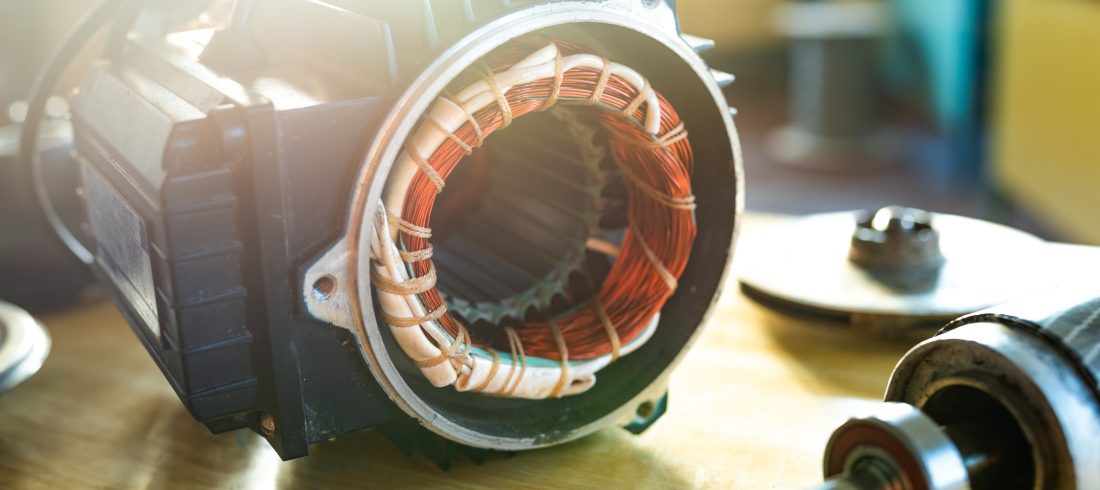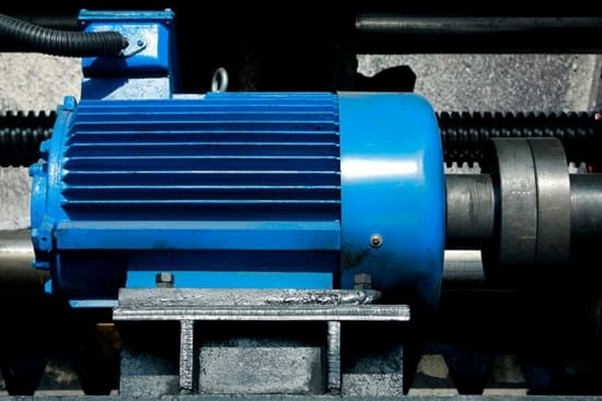
Electric motors are designed to be reliable, so much so that they quietly work away in the background without often giving manufacturers who rely on them pause for thought. But like any piece of industrial equipment, they are not immune to problems.

When issues develop, they rarely happen without warning. In most cases, there are clear signs that something isn’t right if you know what to look for.
Some maintenance teams may be inclined to apply the old adage, “if it ain’t broke don’t fix it” but by understanding common electric motor problems, their causes and how to address them you can act early, reduce downtime and keep your operations running smoothly.
The Most Common Electric Motor Problems
There are several issues that frequently affect industrial motors with overheating being one of the most common. Blocked ventilation paths, failed cooling fans or high ambient temperatures can prevent heat from dissipating effectively and as internal temperatures rise, both electrical and mechanical components degrade more rapidly. This can quickly lead to more serious damage if not addressed promptly.
Excessive vibration is another key issue, often linked to imbalance or misalignment. Even slight misalignment between the motor and driven load can increase vibration, leading to accelerated wear on bearings, couplings and shafts. Imbalance in rotating components produces uneven forces, further increasing stress and reducing efficiency.
Bearing failure is also a major cause of motor breakdowns, as bearings support the rotating components and are subject to constant wear. Electrical currents passing through bearings, known as electrical discharge machining (EDM), can cause pitting and premature failure, particularly in motors driven by inverters. In addition, electrical faults, such as insulation breakdown or voltage imbalance, can affect motor performance and lead to failure over time. While these electric motor problems may differ in cause, they often result in the same outcome – reduced performance and eventual failure if left untreated.
The Main Causes Behind Electric Motor Problems
In many cases, motor problems are linked to avoidable factors, which means with the right structure in place you can avoid a lot of them. Poor maintenance is one of the leading causes. Without regular inspection, lubrication and cleaning, small issues can develop into larger faults. Electrical imbalance or inconsistent power supply can also place stress on motor components, increasing heat and reducing efficiency.
Contamination is another common contributor to mechanical failure. Dust, moisture and debris can enter the motor and damage internal parts, particularly in harsh industrial environments. Incorrect installation or misalignment can create additional mechanical stress, while overloading the motor beyond its design capacity accelerates wear. However, if you’re aware of these causes before they appear you can take steps to prevent them becoming a problem later on.
Typical Symptoms To Watch For
One of the most useful ways to prevent failure is by recognising early warning signs and unusual noise is often one of the first indicators that something is wrong. Grinding, rattling or high-pitched sounds can point to bearing issues or internal damage. An increase in operating temperature is another clear signal. If a motor is running hotter than usual, it may indicate cooling problems, overload or electrical faults.
Excessive vibration is a particularly important symptom, as it often signals imbalance, misalignment or component wear. Other signs include reduced output, frequent tripping, higher energy consumption or visible wear. If you notice any of these symptoms, it’s important to investigate early before the issue develops further.
Solutions Through Professional Repair And Servicing
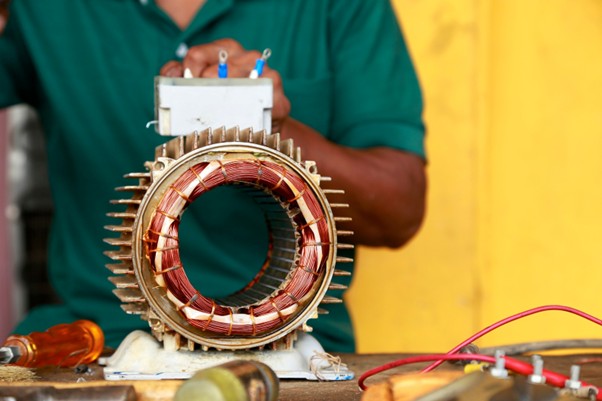
The good news is that many electric motor problems can be resolved with the right approach. Professional electric motor repairs and service typically involve inspection, testing and targeted repair work. This may include bearing replacement, rewinding, alignment correction and cleaning.
Electrical testing can identify insulation issues or imbalance, while mechanical checks ensure components are operating correctly. By addressing both the root cause and the symptoms, repairs can restore performance and prevent repeat issues.
The Role Of Preventative And Predictive Maintenance
While repairs are important, prevention is always the better option, and regular maintenance can help ensure that motors are operating within their design limits. This includes lubrication, cleaning, alignment checks and monitoring of operating conditions.
Predictive maintenance techniques, such as vibration analysis and thermal monitoring, provide additional insight into equipment health. By combining preventative and predictive approaches, you can detect issues early and take action before they lead to failure.
Keeping Your Motors Running Reliably
Understanding electric motor problems and solutions allows you to take a more proactive approach to maintenance. By recognising early symptoms, addressing underlying causes and investing in professional servicing, you can reduce downtime and extend the life of your equipment. This translates into more reliable operations, fewer unexpected failures and greater confidence in your equipment. Please Contact us for more information on how we can help!
Image Source (URL): Canva