When an electric motor begins to fail, one of the first questions you face is whether to repair it or replace it. Both options have their advantages, and the right choice will depend on factors such as cost, efficiency, downtime and the condition of the motor.

Understanding the differences between electric motor repair vs replacement can help you make a more informed decision and ensure the best outcome for your operation.
Why Repair Is Often The Lower-Cost Option
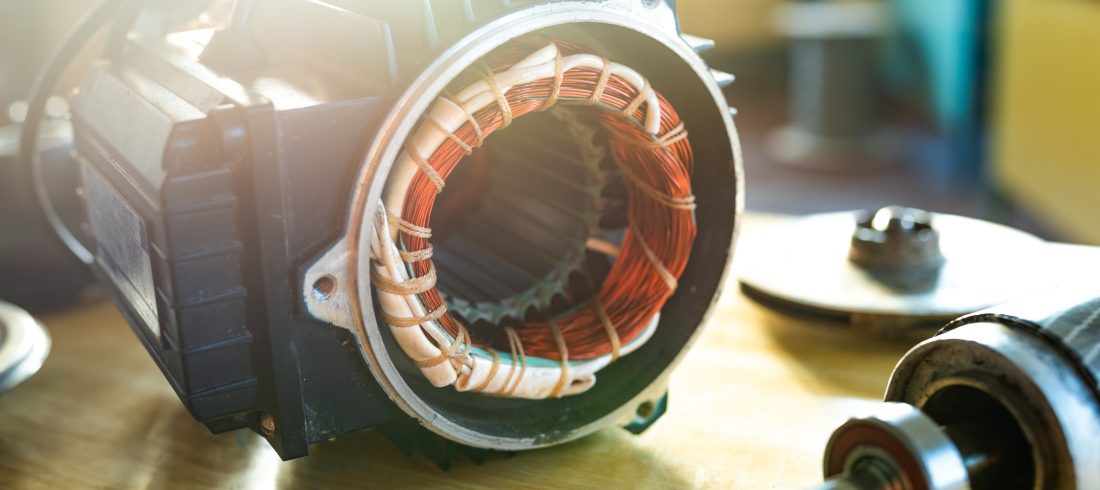
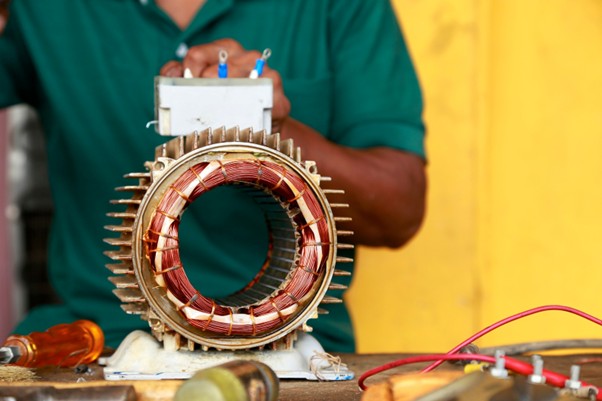
In many situations, repairing a motor is the most cost-effective solution. Repair typically involves a combination of inspection, bearing replacement, rewinding and electrical testing. If carried out to a high standard, this process can restore the motor to its original operating condition without the need for full replacement.
From a technical perspective, much of a motor’s structure such as the stator core and housing often remains sound even when faults occur. This makes repair a practical option, as only the worn or damaged components need to be addressed. Compared to purchasing a new motor, this approach can significantly reduce capital expenditure. Particularly if you run larger facilities with multiple motors in operation, the ability to maintain performance while controlling costs is invaluable.
When Replacement May Be The Better Choice
There are situations where electric motor replacement is the better option.
If a motor is outdated, inefficient or has experienced repeated failures, replacing it with a newer, more efficient model may provide long-term benefits. Older motors, for example, may not meet current efficiency standards and can consume significantly more energy during operation.
Newer motors are designed with improved materials, tighter tolerances and more advanced insulation systems. These improvements reduce electrical losses, improve thermal performance and enhance overall reliability.
In addition, modern motors are often better suited to operate with variable speed drives, allowing for improved control and energy efficiency. In some cases, the cumulative cost of repeated repairs, higher energy consumption and reduced reliability makes keeping an older motor in service more expensive than replacing it.
Downtime Considerations
You have to take downtime into consideration when deciding between repair or replacement. Repairing a motor is often faster, particularly if parts and expertise are readily available. A well-managed repair process can return equipment to service in a relatively short timeframe, minimising disruption.
Replacement, on the other hand, may involve longer lead times, especially for specialised or large motors, which can lead to equipment and key parts of production being out of action for significant amounts of time. Installation and commissioning can also add to the overall downtime.
There is also the question of integration. A electric motor replacement may require modifications to mounting, alignment or control systems, all of which can add to the overall time out of operation. For your business, minimising disruption has to be a priority, making repair an attractive option where possible.
Comparing Efficiency And Performance
Efficiency is something else you also need to consider carefully. A properly repaired motor, particularly one that has been correctly rewound and tested, can perform very effectively. However, even with a high-quality repair, it may not match the efficiency levels of a modern, high-efficiency motor.
Efficiency losses in older motors are often linked to heat generation, electrical resistance and less advanced design. Over time, these losses translate into higher energy consumption. If energy consumption is a major concern, upgrading to a more efficient motor may deliver long-term savings which eventually offset the capital outlay. Balancing short-term repair costs against long-term efficiency gains is an important part of the decision-making process.
Assessing Motor Condition And Application
The condition of the motor and its role within your operation should also be taken into account. If the motor is in generally good condition and the fault is isolated, repair is often the logical choice. However, if the motor is critical to your operation and failure would have significant consequences, replacement may offer greater reliability and peace of mind. Factors such as expected lifespan, operating environment and maintenance history all play a role in determining the best option.
Making The Right Decision For Your Operation
There is no one single, correct answer when it comes to electric motor repairing versus replacement and it will ultimately boil down to what it’s used for and how you operate. Each situation needs to be assessed individually, taking into account cost, efficiency, downtime and long-term performance. By carefully evaluating these factors, you can choose the option that best supports your operational goals.
Balancing Cost, Performance And Reliability
Ultimately, the decision comes down to balancing immediate costs with long-term benefits.
Repair offers a cost-effective and often quicker solution, while replacement may provide improved efficiency and reliability in certain situations.
Understanding the advantages of each option allows you to make a confident, informed decision, ensuring your equipment continues to perform effectively both now and in years to come. To find out how we can help you with your electric motor problems, please Contact Us for more information.

Image Source: Canva